
Phishing Emails: Why They Still Catch People Out
Phishing scams remain one of the most common and successful cyber threats facing businesses today. Despite years of warnings and training, they continue to slip through – not because people are careless, but because the scams themselves are getting smarter.
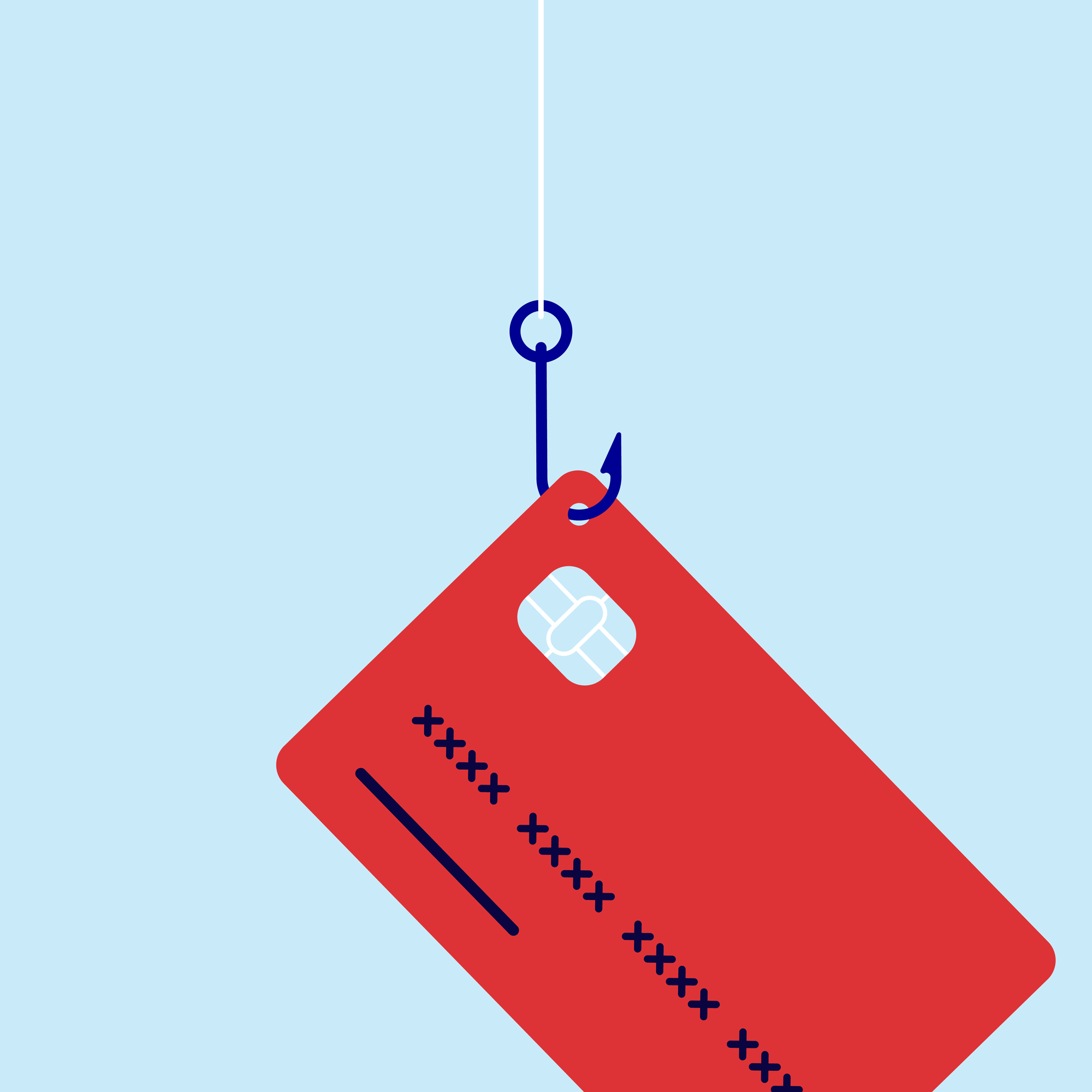
Modern phishing emails are often personalised, well-written, and timed to feel urgent. They are designed to bypass instinct rather than technology, which is why even experienced staff can be caught out.
What phishing emails look like today
Gone are the badly spelled emails promising lottery winnings. Today’s phishing messages often:
Appear to come from a senior manager or colleague
Reference real suppliers, invoices, or ongoing projects
Use urgency to prompt quick action (“Can you do this now?”)
Contain links that look genuine at first glance but lead to fraudulent or impersonated websites
In many cases, the email itself is not obviously malicious – the risk only becomes clear after a link is clicked or details are entered.
Why they’re still effective
Phishing works because it targets behaviour, not systems. Attackers rely on moments of distraction, pressure, or routine. A busy afternoon, an unexpected request, or a familiar name is often all it takes.
This is why purely reactive IT support is not enough. By the time a problem is reported, the damage may already be done.
How proactive IT support reduces the risk
At Evo IT, phishing protection goes beyond spam filters. Our approach combines:
Continuous monitoring and threat detection
Email security tools that adapt to emerging threats
Clear escalation routes when something looks suspicious
Ongoing advice to help teams recognise warning signs
The goal is not to blame users – it is to reduce the opportunity for mistakes to turn into incidents.
What businesses can do right now
While no system is foolproof, a few simple habits significantly reduce risk:
Pause before acting on unexpected or urgent requests
Check the sender’s full email address carefully – not just the display name, which can be easily spoofed
Avoid clicking links in emails unless you have checked the destination thoroughly and confirmed it is genuine and from a trusted source
Always confirm requests by calling the sender on a trusted number you already have – never the one listed in the email
Report suspicious emails early – even if you are unsure
Early reporting often makes the difference between a blocked attempt and a wider breach.
Staying one step ahead
Phishing scams will continue to evolve. The businesses that cope best are those that treat cyber security as an ongoing process, not a one-off fix.
With proactive monitoring, clear processes, and responsive support, most phishing attempts can be stopped long before they cause disruption.
If you would like advice on strengthening your email security or reviewing your current setup, Evo IT would be happy to help.